Oil-Filled vs. Ceramic vs. Infrared Heaters
Disclosure: This page contains affiliate links. If you buy through them we may earn a commission at no extra cost to you. As an Amazon Associate I earn from qualifying purchases. Details.
All three are electric resistance heaters. They turn electricity into heat at the rated wattage. What differs is how that heat reaches you, which affects comfort, speed, and noise. We describe the types based on how they work; we haven't run side-by-side tests.
How each type heats
- Ceramic (usually fan-forced): electricity heats a ceramic element, and a fan blows air across it. Heat moves through the room by convection (moving warm air).
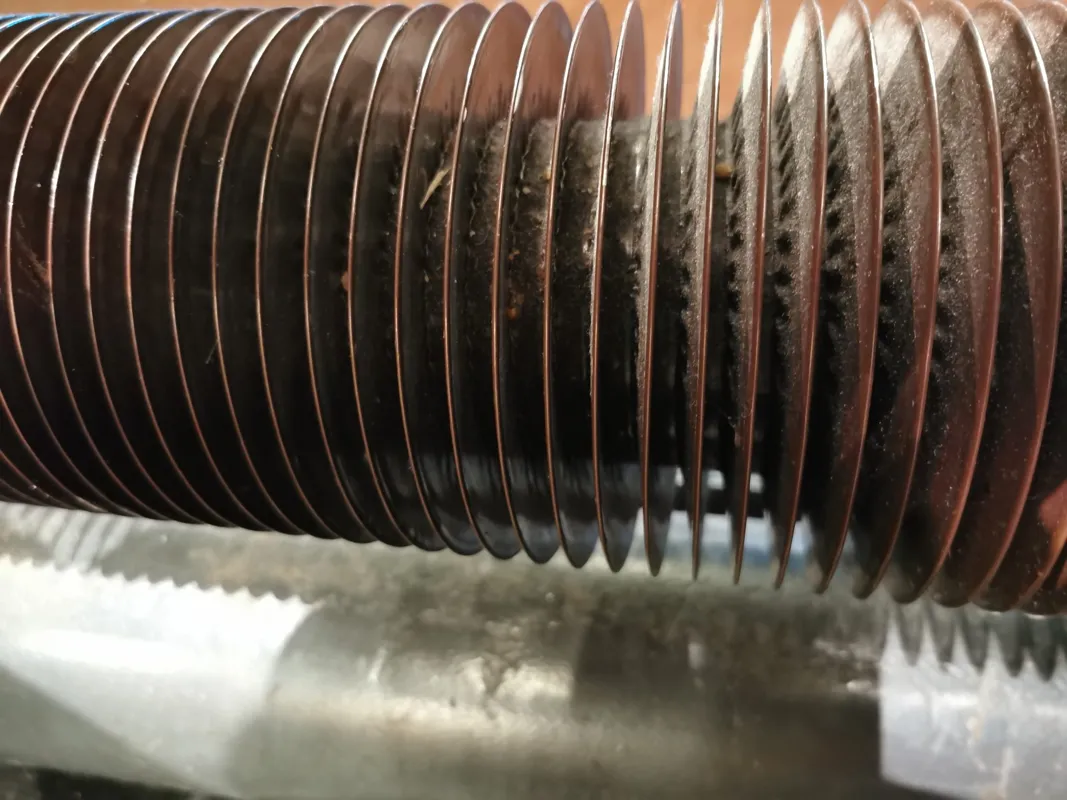
- Oil-filled radiator: electricity heats oil sealed inside metal fins. The fins warm the surrounding air and radiate heat. The oil holds heat, so it warms slowly and keeps radiating after it cycles off.
- Infrared (radiant): a heating element emits infrared radiation that warms people and objects in its line of sight, rather than mainly heating the air.
Side by side
| Ceramic (fan) | Oil-filled | Infrared | |
|---|---|---|---|
| Warm-up speed | Fast | Slow | Instant at close range |
| Heat feel | Warm moving air | Gentle, steady | Like sun on your skin |
| Best for | Quickly warming a small room | Steady heat in a room you're in for hours | Spot-heating where you sit |
| Noise | Fan noise | Usually quiet (may click) | Quiet; some have fans |
| Size | Compact | Bulkier, heavier | Varies |
| Surface temp | Varies by model | Fins get hot | Element area gets hot |
| Cost per hour at the same watts | Same | Same | Same |
Ceramic heaters → Amazon · Oil-filled radiators → Amazon · Infrared heaters → Amazon
Why cost per hour is the same
Cost depends on watts and run time. A 1,500 W heater of any type uses 1.5 kWh per hour while running at full power. At the EIA's July 2026 U.S. average residential price of 18.31¢ per kWh, that's about 27¢ an hour. Type can change how long you run it:
- An infrared heater can make you feel warm sooner at your desk, so you might run it less.
- An oil-filled radiator keeps radiating after its thermostat cycles off, which some people find more comfortable.
- A fan heater warms a small, closed room quickly.
Run your numbers in the calculator.
Which should you choose?
- Home office where you sit in one spot: infrared, aimed at you. Or a heated throw. See blanket vs. heater.
- Living room for an evening: ceramic for speed, or oil-filled for steady quiet heat.
- Bedroom before bed: a quiet type to warm the room, turned off when you sleep (CPSC).
- Bathroom: only a heater the manufacturer says is suitable for bathrooms. Keep heaters away from water.
- Homes with small kids or pets: look for cool-touch surfaces and tip-over shut-off, whichever type you choose.
Safety applies to every type
The NFPA reports that space heaters and heating stoves account for most of the deaths in home heating equipment fires, and nearly half of heating fires happen from December through February (2020-2024 averages). Follow the CPSC's rules with any type:
- Three feet of clearance from anything that can burn
- Plug directly into a wall outlet, never an extension cord or power strip
- Turn off when sleeping or leaving the room
- Stable, level surface
- Check for recalls at cpsc.gov/recalls
Full checklist: space heater buying guide.
Common myths
- "Oil-filled heaters use oil as fuel." No. The oil is sealed in and is just a heat reservoir; they run on electricity.
- "Infrared heaters are cheaper to run." Not per watt. They can feel effective at lower settings for spot heating.
- "A bigger number on the box always means more heat." Check watts, not marketing claims.
FAQ
Which type of space heater is cheapest to run?
Per watt, they're the same. Every electric resistance heater uses its rated watts while heating. A 1,500 W heater uses 1.5 kWh per hour at full power. Differences in total cost come from how long you run it and at what setting.
Which heater is best for a bedroom?
Many people prefer quiet oil-filled radiators for bedrooms, but the CPSC says to turn heaters off when sleeping. Warm the room before bed, then switch it off.
Related guides
- Space Heater Buying Guide: Safety Features, Sizing, and Cost
- Space Heater Cost Per Hour Calculator
- Heated Blanket vs. Space Heater: Which Costs Less?